Ergonomic chairs have become a hot topic in recent years as more people discover the benefits of comfort and support at work. With so many of us spending hours at our desks, the way we sit has a huge impact on our health. That's where ergonomic chairs come in, designed to keep your body happy while you tackle your to-do list.
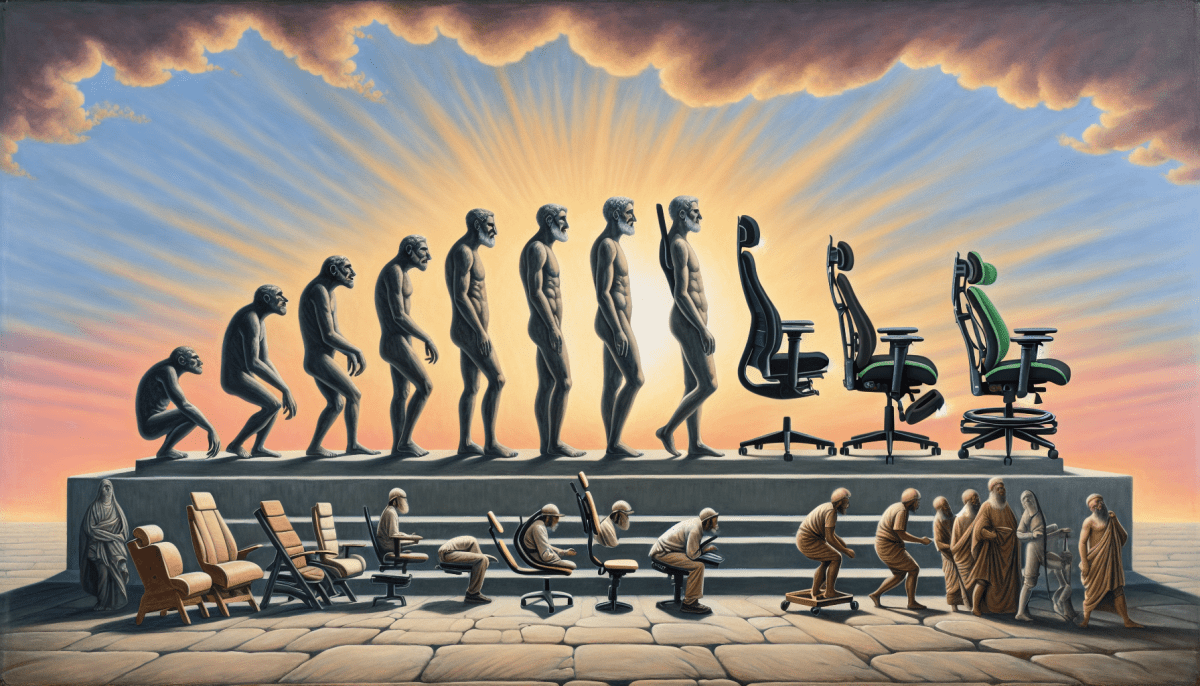
These chairs didn't just pop up overnight. They evolved from traditional designs, responding to the needs of workers who faced back pain and fatigue. Over the years, companies have invested in research to find the perfect shape and materials that support good posture. You’ll notice that many of the latest designs include adjustable features, like seat height, armrests, and lumbar support, making it easy for anyone to find their ideal setup.
The rise of remote work also played a big role in popularizing ergonomic chairs. As home offices became the norm, people realized the importance of a good chair. Gone are the days of slouching on the couch; now, it's all about creating a workspace that feels good and enhances focus. With a comfy ergonomic chair, you can work longer without feeling worn out.
People are now more aware of the health consequences of poor seating. Bad posture can lead to issues like chronic back pain or even repetitive strain injuries. That's why choosing the right ergonomic chair is essential. They not only promote better posture but also encourage movement throughout the day. After all, sitting shouldn't mean you’re stuck in one place for hours on end.
Key Features That Changed Comfort
When we talk about ergonomic chairs, it’s all about comfort, right? Well, here are some key features that have really changed the game over time. These aren’t just buzzwords; they make a real difference for your back and overall well-being during those long hours at your desk.
First up, adjustable seat height is a biggie. You want to find that sweet spot where your feet are flat on the ground, and your knees sit at a 90-degree angle. This simple adjustment can help reduce strain on your lower back and keep your posture in check.
Next, let’s chat about lumbar support. We’ve all felt that familiar ache in our lower back, especially after sitting for too long. Modern ergonomic chairs now come with built-in lumbar support that you can adjust to fit your back's natural curve. It’s like having a little hug for your spine!
Another cool feature is the waterfall seat edge. What’s that, you ask? It’s a design that gently slopes down at the front. This helps improve circulation in your legs, so you don’t feel that familiar tingling sensation after sitting for a while. Plus, your knees will thank you!
Lastly, let’s not forget about breathable materials. Gone are the days of sweaty backs sticking to your chair! Today’s ergonomic chairs use mesh or moisture-wicking fabrics, keeping you cool and comfy as you work. It’s all about creating a pleasant environment to boost your productivity.
Innovative Designs Through the Decades
Ergonomic chairs have come a long way since they first made their debut. In the 1960s, the focus was on basic comfort. Designers experimented with different shapes to help people sit better for longer. The idea was simple: if you’re more comfortable, you get more done.
Moving into the 1980s, things started getting really interesting. Companies began to pay attention to back support. They brought in lumbar support to help reduce strain on the lower back, and that was a game-changer. Suddenly, sitting at a desk didn’t have to mean dealing with pain by the end of the day.
Then, the 2000s introduced some wild new concepts. Mesh backs became popular, providing breathability and flexibility. Adjustability took center stage, with features like seat height, armrest positioning, and even tilt control. These chairs catered to different body types, making it easier for everyone to find their perfect fit.
Today, we see ergonomic chairs equipped with tech features. Built-in lumbar sensors and smart adjustments are becoming the norm. Some even track your posture throughout the day! This evolution reflects our growing understanding of health and productivity. Ergonomic chairs aren’t just a trend; they’re essential for a comfortable work environment.
Future Trends in Ergonomic Seating
As we look ahead, ergonomic seating is changing even more. Designers are listening closely to what workers really need. They’re creating chairs that not only support the body but also make you feel good while working. Imagine chairs that adapt to your movements, giving you comfort no matter how long you sit.
One exciting trend is the rise of smart chairs. These aren’t just regular office chairs. They come packed with tech features, like sensors that track your posture. If you start slouching, the chair will remind you to straighten up. This helps prevent aches and pains, ensuring you stay focused and productive throughout the day.
Sustainability is another big trend. More companies are using eco-friendly materials to create their chairs. Think of seats made from recycled plastics or natural fibers. By choosing these options, you're not just investing in your health; you’re also doing something good for the planet.
Adjustability is becoming super important too. We’re moving away from one-size-fits-all designs. Instead, expect chairs that are easily customizable for different body shapes and sizes. You can tweak the height, armrests, and lumbar support to create the perfect fit for your body, making long hours at the desk a lot more bearable.
Lastly, aesthetics are getting a makeover. Ergonomic chairs are no longer just practical. They are stylish too! Designers are focusing on colors, finishes, and sleek forms that blend seamlessly into modern office spaces. You can have a chair that not only feels great but looks great as well.